
Raw Pet Food Safety: How High Pressure Processing Works
By Mei Tanaka • 11th Dec
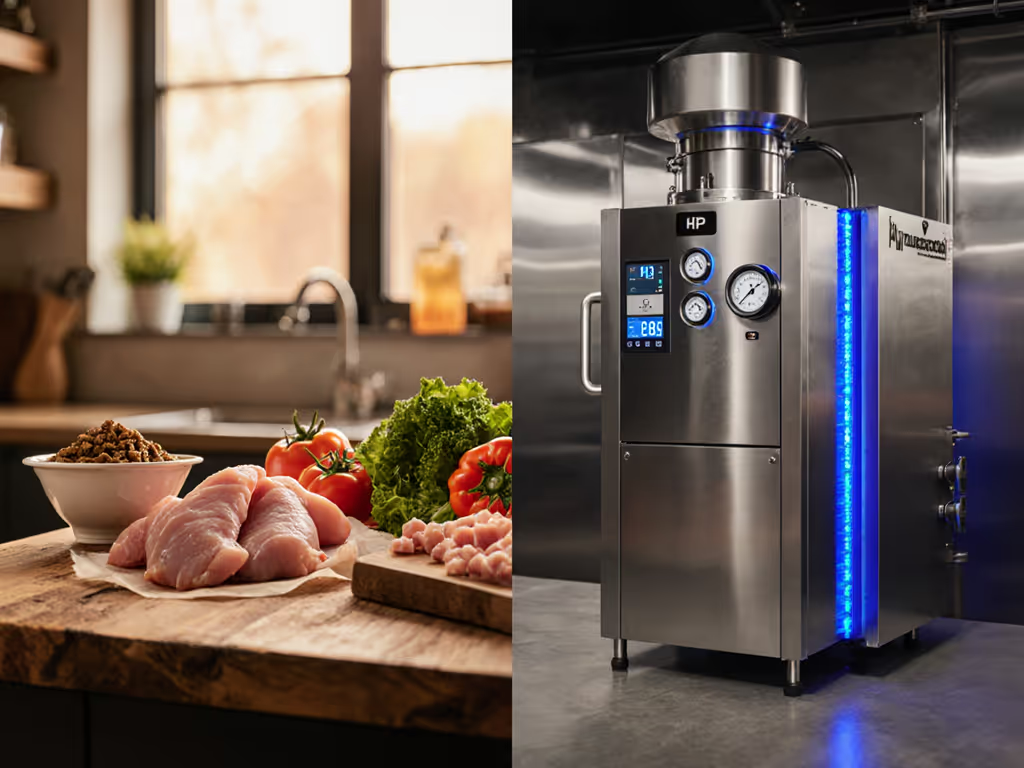
Raw diets promise unprocessed nutrition, but pathogen risks require robust safety measures. High Pressure Processing (HPP) offers a commercial solution, while home pressure cooking provides alternative control. Here's how these methods balance safety and nutrition.
1. The Science Behind HPP
HPP subjects sealed raw pet food to 87,000 psi for approximately 3 minutes (pressure equivalent to 6x the Mariana Trench's depth). This cold-water process disrupts bacterial cell membranes, eliminating pathogens like Salmonella, E. coli, and Listeria without heat-induced nutrient loss. Unlike thermal processing, HPP retains antioxidants, enzymes, and flavor compounds critical for pet health.
2. Commercial HPP: Benefits and Trade-offs
Manufacturers adopt HPP for its triple advantage:
- Pathogen reduction below detectable levels, complying with FDA zero-tolerance policies
- Extended shelf life through microbial inactivation
- Preserved nutritional integrity by avoiding heat degradation However, HPP doesn't eliminate spores, may destroy beneficial probiotics, and sparks debate about whether processed food qualifies as "truly raw".
3. Home Pressure Cooking: A Practical Alternative
For homemade diets, pressure cooking (e.g., using Presto's 23-qt cooker) applies heat and ~15 psi to achieve similar safety goals:
| Factor | HPP (Commercial) | Home Pressure Cooking |
|---|---|---|
| Pressure | 87,000 psi | 15 psi |
| Method | Cold water immersion | Thermal processing |
| Pathogen Control | Kills bacteria (not spores) | Destroys bacteria via heat |
| Nutrient Impact | Minimal loss | Moderate degradation |
| Always use BPA-free packaging for HPP foods, and for home cooking, follow USDA guidelines for low-acid foods to prevent botulism risks. For canning-specific safety and processing times, see our pressure canning safety guide. |
4. Safety Protocols for Both Methods
- Batch testing: Commercial HPP units validate pathogen reduction through routine checks
- Sealed processing: Prevents post-treatment contamination
- Freezing storage: Crucial for halting bacterial regrowth in HPP and home-cooked foods Immune-compromised pets or households with children should prioritize HPP-treated commercial foods over homemade options.
5. Nutrient Retention Compared
HPP outperforms thermal methods in preserving heat-sensitive nutrients:
- Proteins and enzymes remain intact due to the absence of denaturing heat
- Vitamins like B and C show minimal degradation
- Fats require oxygen-free packaging to prevent HPP-induced oxidation Home pressure cooking inevitably degrades some nutrients, but offers control over ingredient quality. For detailed data on vitamin retention and how to minimize losses, read our pressure cooking nutrition guide.
6. Implementing Safe Home Workflows
For homemade pet food pressure cooker use:
- Standardize times: 90 minutes for meats/beans at 15 psi
- Pre-chill ingredients: Minimize bacterial load before cooking
- Rapid cooling: Portion and freeze within 2 hours
- Batch labeling: Track dates using freezer-safe tags Tools like the Instant Pot Duo Plus enable precise timing and temperature control for repeatable results.
Final Verdict: Context Determines Best Approach
HPP delivers an unmatched safety-nutrition balance for commercial raw diets, though home pressure cooking offers budget-friendly control. Prioritize HPP-treated brands for high-risk households, while home methods suit owners with rigorous workflow discipline. Either path demands an unwavering commitment to protocols, because full fridge, quiet week starts with uncompromised safety. {PRODUCT_FEATURE_BOX(B01NBKTPTS)}{PRODUCT_FEATURE_BOX(B0000BYCFU)}
Related Articles