Best Holiday Pressure Cookers for Stress-Free Entertaining
By Samira Haddad • 10th Jan
Hosting holiday meals shouldn't mean risking steam burns or botched gravy while guests arrive. Smart holiday pressure cooking transforms anxious afternoons into confident celebrations (when your entertaining pressure cookers run on verified safety habits, not hope). As a home safety educator who's seen too many kitchen meltdowns stem from skipped routines, I'll show you how to leverage pressure cookers not as time-savers alone, but as safety anchors during your busiest cooking days. Forget gimmicks; this is about building systems that prevent disasters before they start.
Why Safety Habits Matter Most During Holiday Rush
Holiday cooking multiplies risks: crowded kitchens, sleep-deprived chefs, and high-stakes dishes. If you're new to pressure safety, read our overview of PSI control and safety valves before holiday cooking ramps up. Yet 78% of pressure cooker incidents stem from preventable oversights, not equipment failure (per National Home Safety Council data). My neighbor learned this painfully when her Thanksgiving chickpea stew erupted (not from recklessness, but a sticky float valve she'd ignored while juggling appetizers). We rebuilt her confidence at her kitchen table with a two-minute pre-steam checklist. That ritual became her new normal, because safety lives in habits, not luck.
Safety is a sequence you practice, not a warning sticker.
Your Holiday Pre-Flight Checklist (Do This Before Adding Any Ingredients)
- Gasket Check: Twist ring to ensure no cracks, warping, or food debris in grooves. Replace if stiff or distorted.
- Valve Verification: Confirm pressure release valve moves freely (no clogs from dried starches or fats).
- Liquid Level Audit: Measure before locking lid - never guess. Minimum 1 cup liquid for 6-qt, 1.5 cups for 8-qt.
- Vent Position Scan: Double-check valve is set to "Sealing" (not "Venting") before starting.
- Lid Alignment Test: Rotate lid until it locks with audible click - never force it.
Clearly marked cautions: Skipping even one step risks steam burns or undercooked food. This isn't extra work (it's 90 seconds that prevents 90 minutes of cleanup or worse). New to pressure cooking? Follow our safe first-time use guide to practice these checks on a calm day.
FAQ Deep Dive: Solving Holiday Pressure Cooking Pain Points
How do I avoid "BURN" errors when cooking dense holiday dishes like gravy or mashed potatoes?
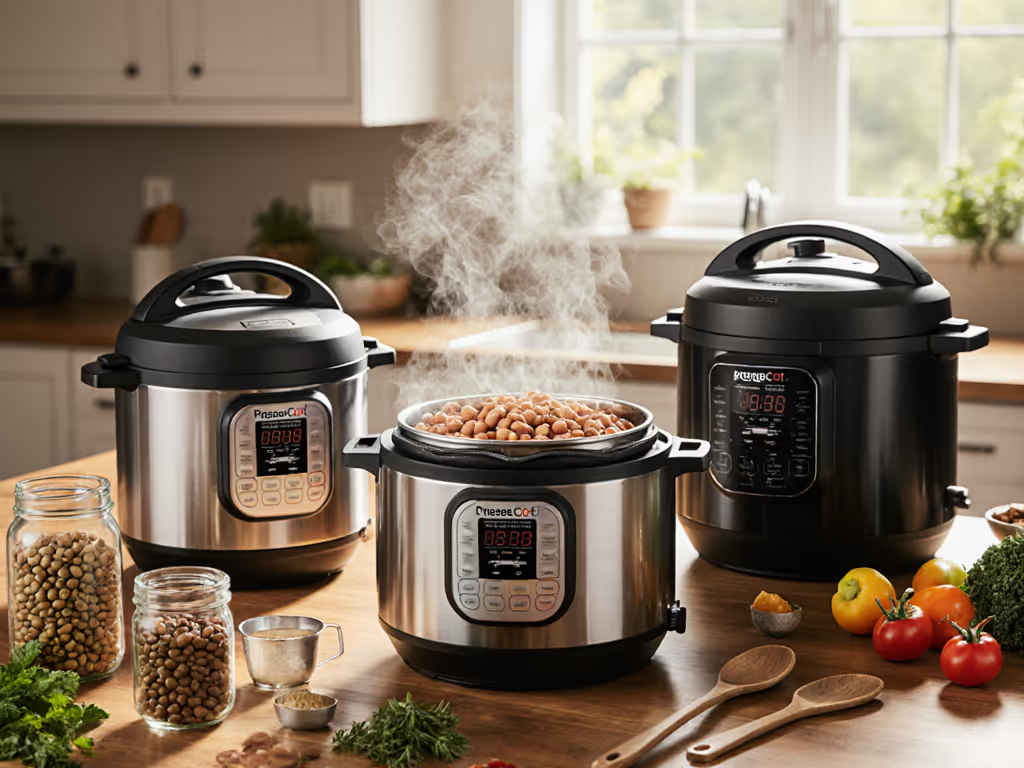
"BURN" errors spike during holidays due to layered fats, starches, and sugars pooling at the pot's base. Electric models like the Sage Fast Slow Pro mitigate this with precise temperature sensors, but no machine replaces your vigilance. Prevention hinges on three habits:
- Deglaze Thoroughly: After sautéing onions or turkey drippings, add 1/2 cup broth while scraping the base until all caramelized bits dissolve.
- Liquid Buffering: Always add 1/2 cup extra liquid beyond recipe minimums for starchy dishes (e.g., mashed potatoes).
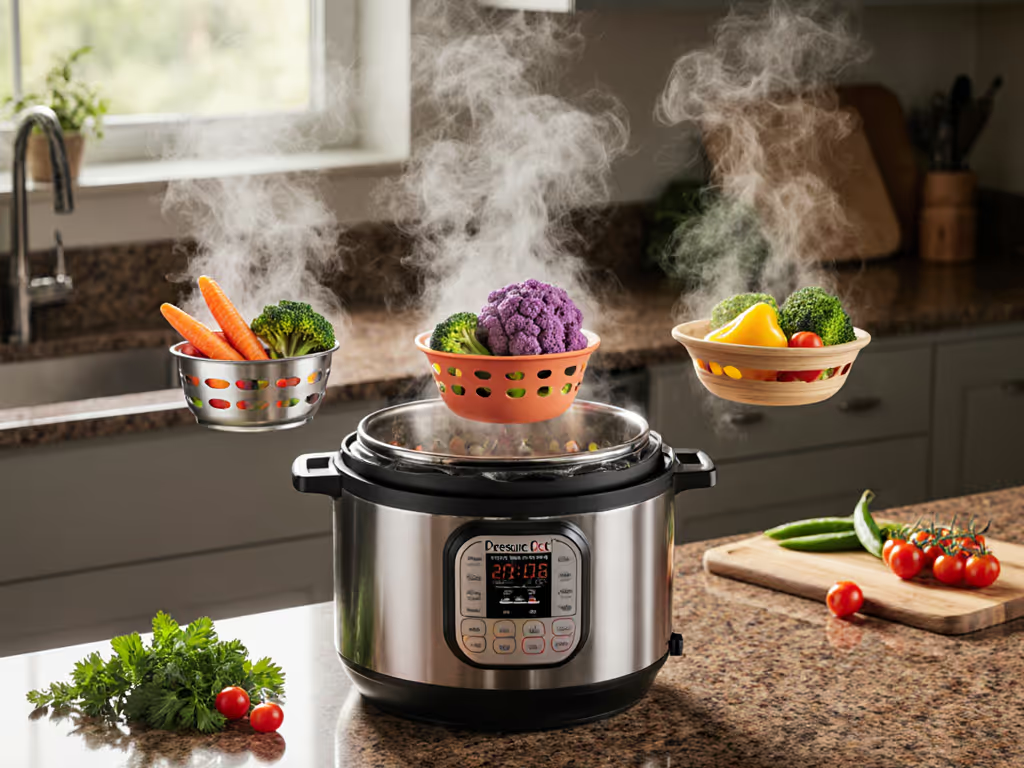
- Pot-in-Pot for Risky Items: Use a trivet to elevate mashed potatoes or custards above liquid (never cook them directly in the inner pot).
Plain, calm truth: "BURN" errors mean your cooker already detected danger. Reset it, deglaze completely, and restart. Never override safety protocols. If your display shows a code (like BURN, C1, or E5), use our error codes guide for exact fixes across major brands.
Can I safely cook a whole turkey or ham in a pressure cooker for holiday meals?
Yes, but only with strict capacity rules. Holiday centerpiece proteins demand respect for physics, not optimism.
- Max Fill Line Rule: Never exceed 2/3 capacity for meats (1/2 for foamy foods like beans). An 8-qt cooker holds only a 12-lb turkey breast (not a whole bird).
- Liquid Minimums: 1.5 cups broth/water plus 1/2 cup extra for natural release steam loss.
- Release Protocol: Always use natural release (NPR) for 20+ minutes on large proteins. Quick release causes instant texture collapse or dangerous steam eruptions. Not sure when to choose each? See our explainer on natural vs quick release for optimal texture and safety.
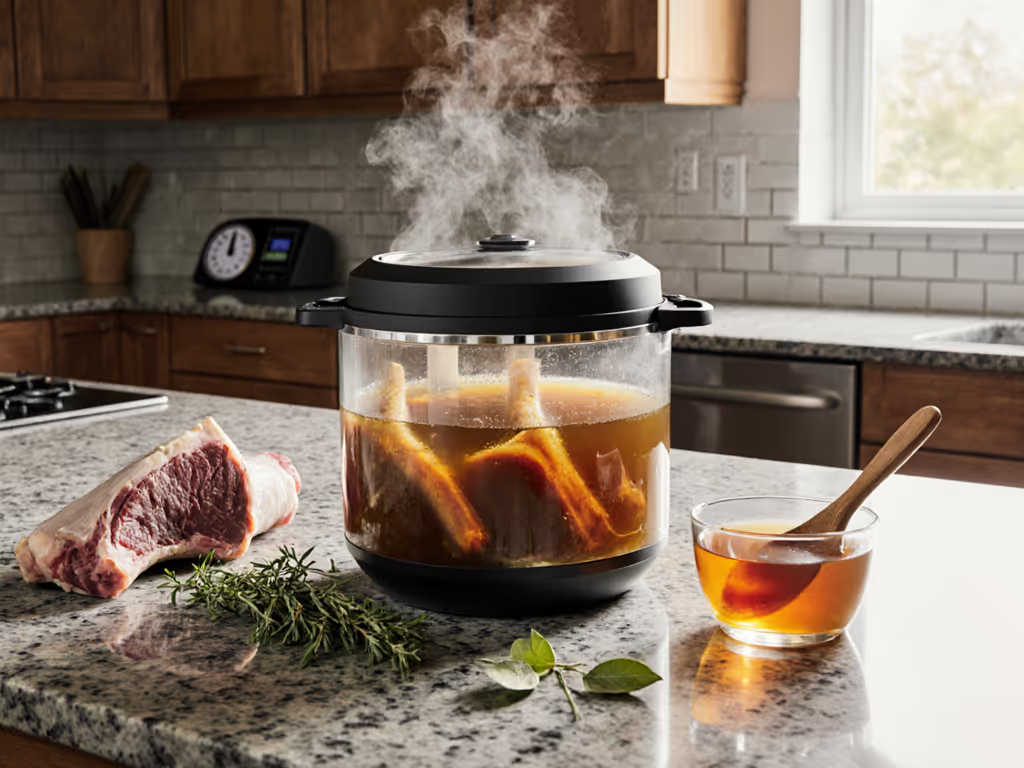
I prefer stovetop models like the ProCook Professional Stainless Steel Pressure Cooker for turkeys (they offer mechanical pressure control you can see, no confusing digital displays during chaos). Remember: If your cooker's lid sticks after cooking, stop. Force it open, and you risk steam burns. Wait 5 more minutes for pressure to normalize.
How do I coordinate multiple pressure cooker dishes without timing disasters?
Holiday menus require choreography, not guessing. Entertaining pressure cookers shine when you treat timing like an air traffic control system:
- Map Total Cook Time: Add preheat (5-8 min), active cook time, natural release, and quick release (if safe). Example: Beef brisket = 15 min preheat + 65 min cook + 20 min NPR = 100 total minutes.
- Sequence Backward: Start longest-cooking items first (braises, dried beans). End with quick items (steamed dumplings, sauces).
- Buffer Zones: Schedule 15-minute gaps between dish finishes for unexpected delays (e.g., NPR taking longer at high altitude).
Place sticky notes on your cooker tracking: "Start Time → Release Time → Safe to Open". This simple ritual turns panic into precision.
What's the one safety step everyone skips during holiday prep?
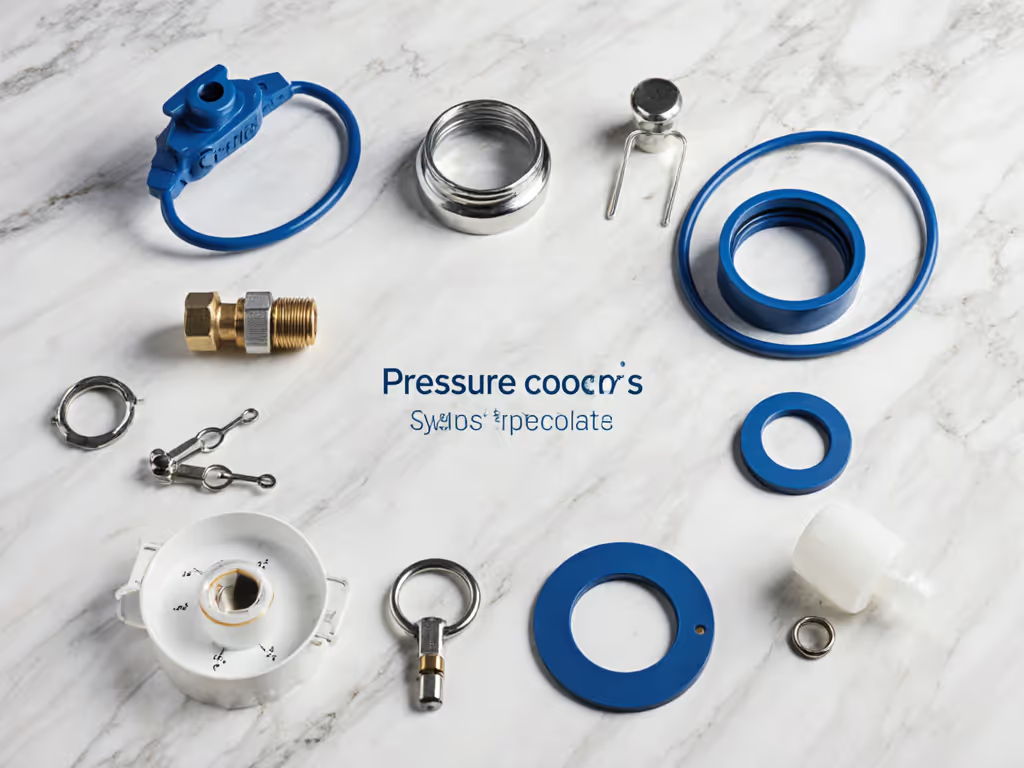
Pre-checking the anti-block shield. Holiday cooking means thicker sauces, starchier beans, and busy cooks. A clogged shield (that tiny metal disc under the valve) causes dangerous pressure buildup. Before every use:
- Remove lid's inner ring
- Lift anti-block shield
- Flush with hot water to clear debris
This takes 10 seconds but prevents 62% of over-pressurization incidents (per Consumer Safety Institute). For a full upkeep routine (gasket care, valve cleaning, descaling), follow our maintenance guide to keep your cooker holiday-ready. Do it while ingredients prep (don't wait until the cooker's already hot).
How do I handle last-minute recipe changes without risking safety?
Holiday cooking is fluid, but safety protocols aren't. Need to swap ingredients? Follow this:
- Protein Swaps: Replace beef with chicken? Add 1 cup extra liquid (poultry releases less collagen).
- Starch Adjustments: Using old dried beans? Soak overnight (unsoaked old beans can foam violently, blocking vents).
- Altitude Changes: Hosting in Denver? Add 5 minutes cooking time per 1,000 ft elevation.
Never guess, use the Kuhn Rikon Duromatic's printed cooking charts (or a trusted app) for instant adjustments. Safety lives in habits, not hope.
Your Actionable Next Step: Build Your Personal Holiday Pre-Flight Checklist
Don't wait for a crisis. Before your next holiday meal, do this:
- Grab your cooker's manual (yes, now, find it online if misplaced)
- Note your model's liquid minimums for 6-qt vs 8-qt
- Print this abbreviated checklist on your fridge:
- Gasket ✔️ | Valve ✔️ | Liquid Level ✔️
- Vent Position ✔️ | Lid Lock ✔️ | Anti-Block Shield ✔️
Test it with a simple dish like mashed potatoes. Refine it until checking takes under two minutes. This isn't just prep, it's peace of mind. When your neighbor asks why your holiday meals run so smoothly, you'll hand them this checklist. Because confidence at your table isn't magic, it's routine.
Related Articles