Pressure Cooking for Kidney Disease: Reduce Sodium Safely
By Samira Haddad • 1st Dec
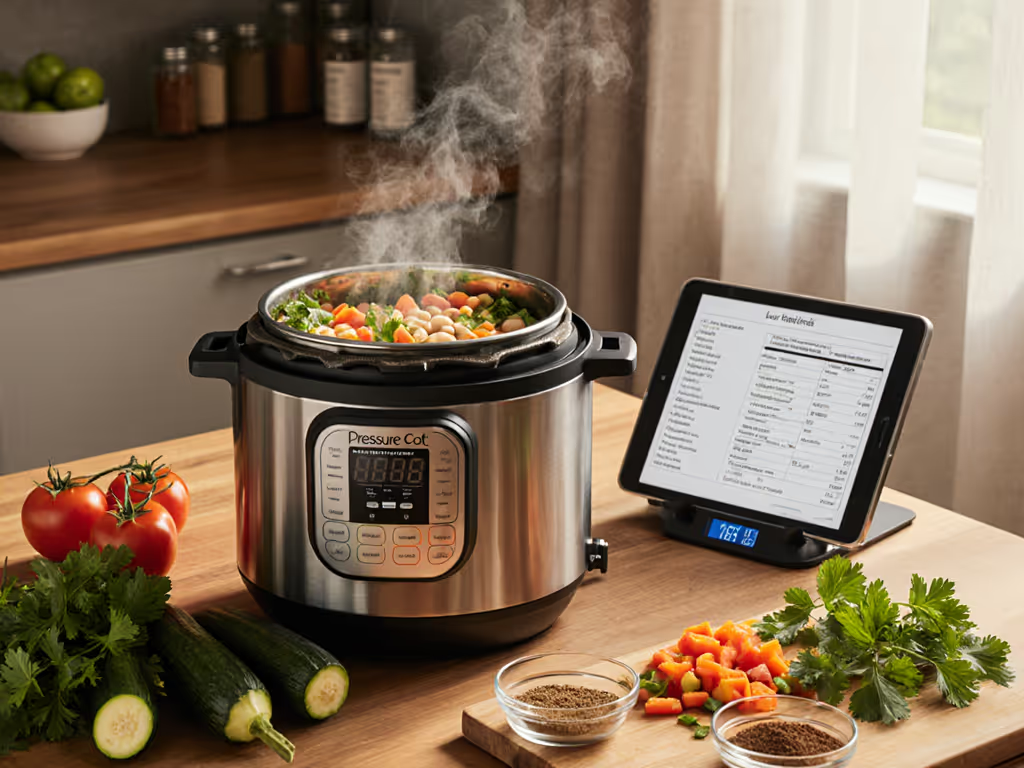
For those managing kidney disease, pressure cooking is not just about speed. It is a critical sodium reduction technique that protects your health. When your kidneys struggle to filter excess sodium, every milligram counts. Pressure cooking, when done with precision, transforms tough cuts and beans into kidney-friendly meals while minimizing added salt. But safety must anchor every step. Safety is a sequence you practice, not a warning sticker. Let's build that sequence together. If you're new to pressure cooking, start with our safe first-time use guide to learn the fundamentals before you cook.
Why Pressure Cooking Matters for Kidney Health
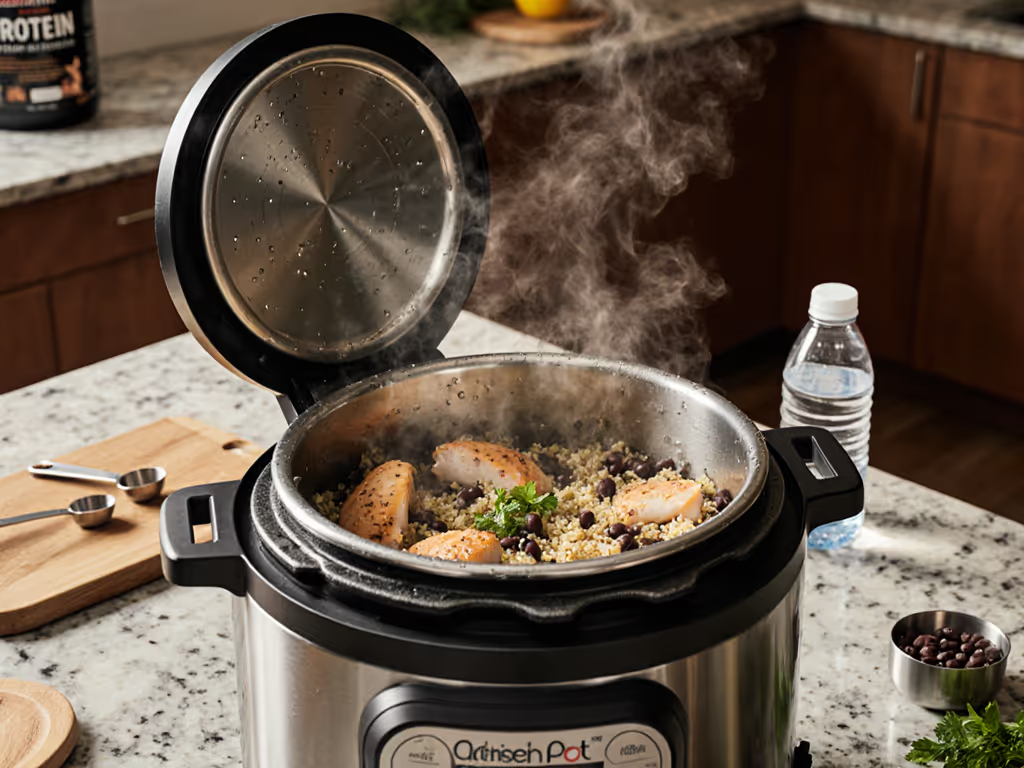
Pressure cooking achieves two vital goals for renal diets: it tenderizes inexpensive, nutrient-dense proteins without relying on high-sodium marinades, and it reduces phosphorus in meats by up to 72%, a finding confirmed by DaVita's analysis of the 2015 Journal of Renal Nutrition study. Yet, rushing the process risks steam burns, inconsistent cooking, or even nutrient loss. For kidney patients, a single safety misstep could mean wasted ingredients or unsafe sodium levels. That's why we treat every cook like a pre-flight checklist.
How Does Pressure Cooking Support Low-Sodium Kidney Diets?
Slow is smooth, smooth is safe. This isn't philosophy, it's physics. Controlled pressure builds flavor without salt, while precise timing prevents nutrient breakdown.
Unlike boiling or simmering, pressure cooking seals in natural juices and aromatics. For evidence-based details on vitamin retention, read our nutrition retention guide and learn how to preserve B vitamins. You'll use 50-75% less liquid, meaning fewer nutrients leach out and less need for salty flavor boosters. Consider dried beans: traditionally soaked and simmered for hours with salt, they're now tender in 25 minutes with just water and herbs. Research shows this method preserves potassium control while reducing phosphorus, critical for preventing hyperkalemia in chronic kidney disease.
Key safety-driven benefits:
- No hidden sodium spikes: Skipping the "rinse and boil" step for beans (common in rushed cooking) leaves excess sodium. Pressure cooking eliminates this step safely.
- Accurate nutrient retention: High pressure at lower temperatures preserves B vitamins better than open-pot boiling.
- Consistent results: Repeated failure wastes money and trust. A reliable protocol rebuilds confidence in home cooking.
Your Pre-Cook Checklist: The 3-Minute Safety Sequence
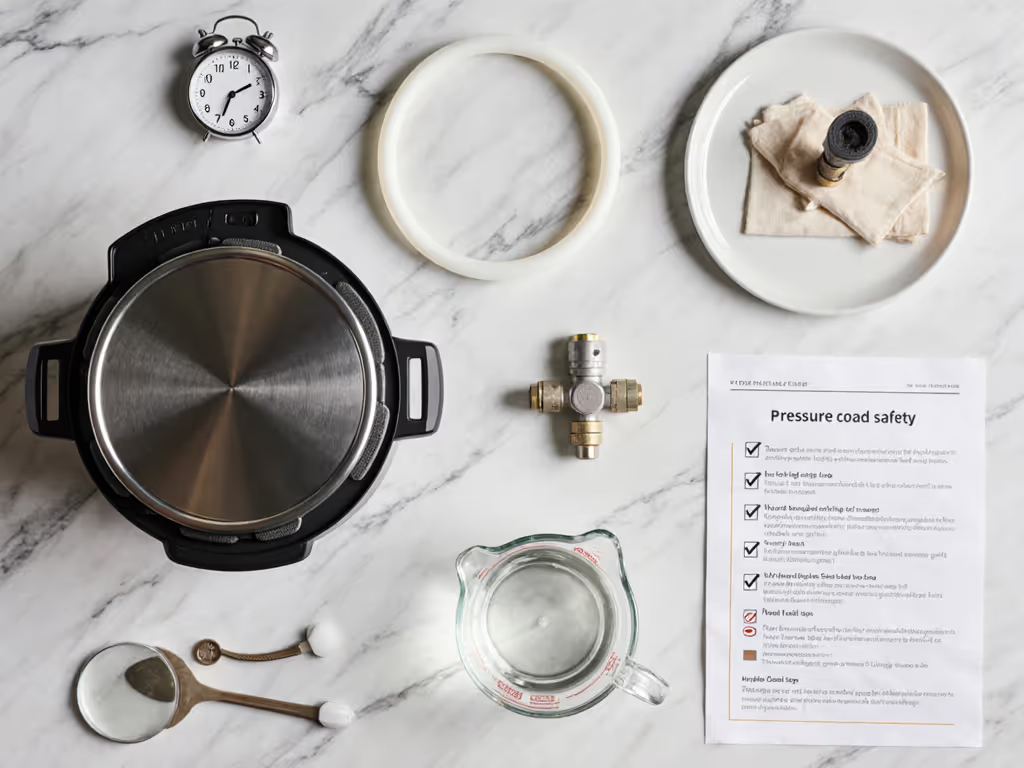
After years teaching home safety workshops (and learning from a neighbor's near-miss with a sticky valve), I developed this non-negotiable routine. It takes 120 seconds but prevents 90% of kitchen accidents. Safety is built from habits, not hope. Do this every time, even for a quick broth:
- Inspect the valve and gasket: Run a finger along the sealing ring. Is it supple, not cracked? Verify nothing blocks the float valve (like food debris from last week's chickpeas). This prevents pressure buildup failures.
- Measure liquid precisely: Minimum 1.5 cups for electric models, 1 cup for stovetop. Never guess. Too little liquid risks scorching and "BURN" errors; too much dilutes flavors, tempting you to add salt. Use a marked cup, not the pot's lines.
- Check fill levels: Fill only ⅔ full for grains/meats, ½ full for foamy foods like beans. Overfilling causes blockages. Set a timer for pre-heat (5-10 mins). Don't walk away.
Critical FAQs for Kidney Patients
How do I reduce sodium without sacrificing flavor?
Use layering, not salt. Sear onions/garlic in 1 tsp oil before adding liquid. Add fresh herbs (rosemary, thyme) and acid (lemon juice) after cooking. Pressure intensifies natural flavors, so rely on them. For beans, add a strip of kombu seaweed during cooking; it tenderizes without sodium and may aid potassium balance.
Why avoid quick release with kidney-friendly recipes?
Natural release (10-20 mins) lets pressure drop gradually. Quick release causes sudden steam bursts that can:
- Splatter hot liquid (burn risk)
- Make meats tough or beans mushy (wasting precious protein)
- Release volatile compounds that degrade nutrients
Clear caution: Dialysis patients need predictable protein texture. Mushy chicken = wasted meal. Always use natural release for meats, beans, and grains.
Can I use potassium-rich salt substitutes?
Do not swap salt blindly. Potassium chloride substitutes risk hyperkalemia in CKD patients, especially with reduced glomerular filtration rate. Consult your dietitian before using any substitute. When in doubt, boost flavor with vinegar, garlic powder, or toasted cumin, never assume "low-sodium" means "kidney-safe."
What's the safest way to cook beans for phosphorus reduction?
Studies confirm pressure cooking reduces phosphorus while preserving protein. Here's the safe protocol:
- Rinse dry beans (no soak needed, saves time and limits sodium retention)
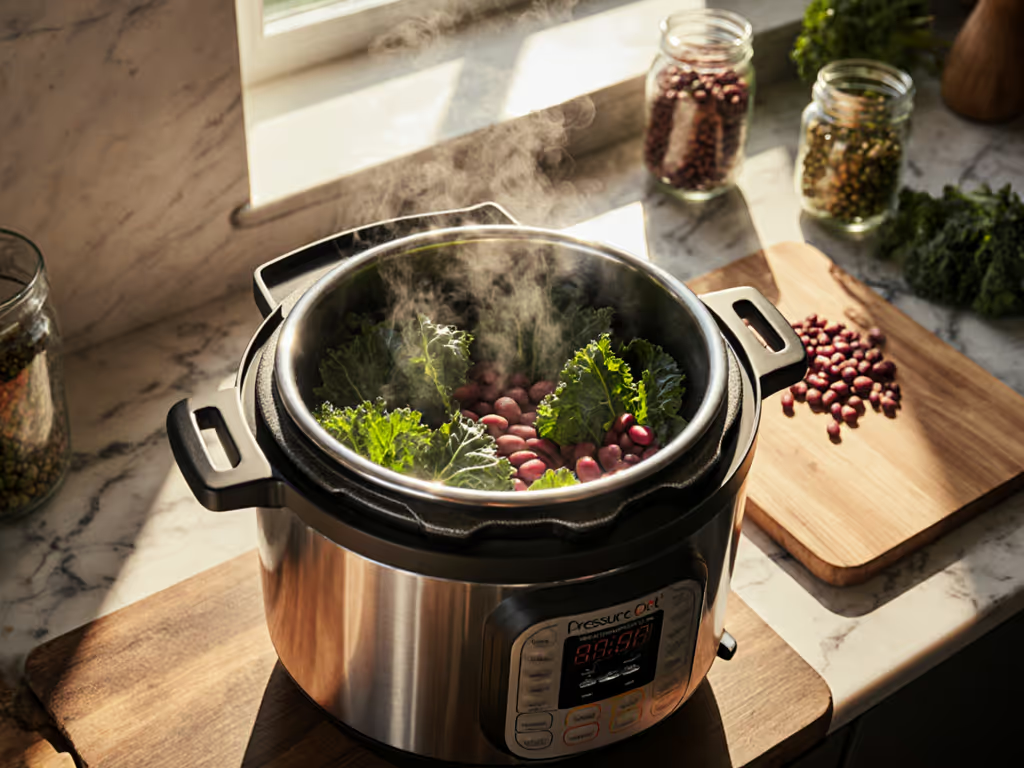
- Add 4 cups water + 1 cup beans + 1 bay leaf to pot
- Cook at high pressure: 25 mins (stovetop) or 22 mins (electric)
- Natural release 15 mins - critical for even texture
- Drain and rinse after cooking to remove surface phosphorus
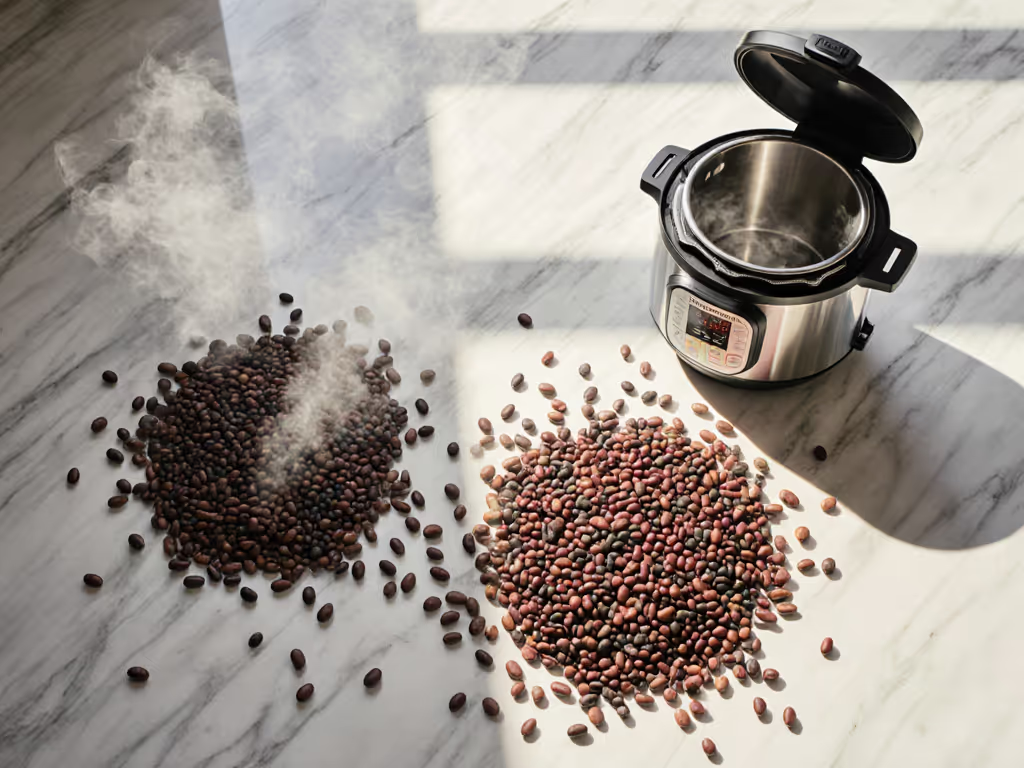
This method slashes phosphorus by 60-72% without sacrificing protein (proven in renal nutrition studies). Skipping the rinse after cooking leaves excess phosphorus in the meal. For variety-specific times and no-soak tips, see our complete pressure cooker bean guide.
Maintenance: Protecting Your Kidney-Safe System
A neglected cooker risks cross-contamination and inconsistent results. Use our maintenance checklist to keep gaskets, valves, and seals in kidney-safe condition. Follow this weekly habit:
- After every use: Wash the gasket by hand (dishwashers harden it). Air-dry completely to prevent mold.
- Monthly: Test the valve's movement with a chopstick (it should drop freely). Soak gasket in vinegar water if odors linger.
- Every 18 months: Replace the sealing ring. A stiff ring won't seal, causing steam leaks and longer cook times, tempting you to rush releases.
Clear caution: Never use petroleum-based cleaners. They degrade rubber and contaminate future meals with chemicals your kidneys must filter.
Final Safety Note: Trust Process, Not Luck
I've seen too many cooks abandon pressure cooking after one "burn" error or uneven batch, often because they skipped the pre-flight steps. Kidney disease adds urgency: every meal impacts your health. But when you master the sequence, pressure cooking becomes your most reliable tool for low-sodium, kidney-friendly meals. Slow is smooth, smooth is safe. Start with beans using the protocol above. Succeed once, and you'll trust the process forever.
Your actionable next step: Print the 3-minute pre-cook checklist. Tape it to your cabinet. Run it before every cook this week, even for reheating soup. In seven days, you'll cook with confidence, not anxiety.
Related Articles