Preserve Cancer-Fighting Nutrients With Pressure Cooking
By Samira Haddad • 3rd Jan
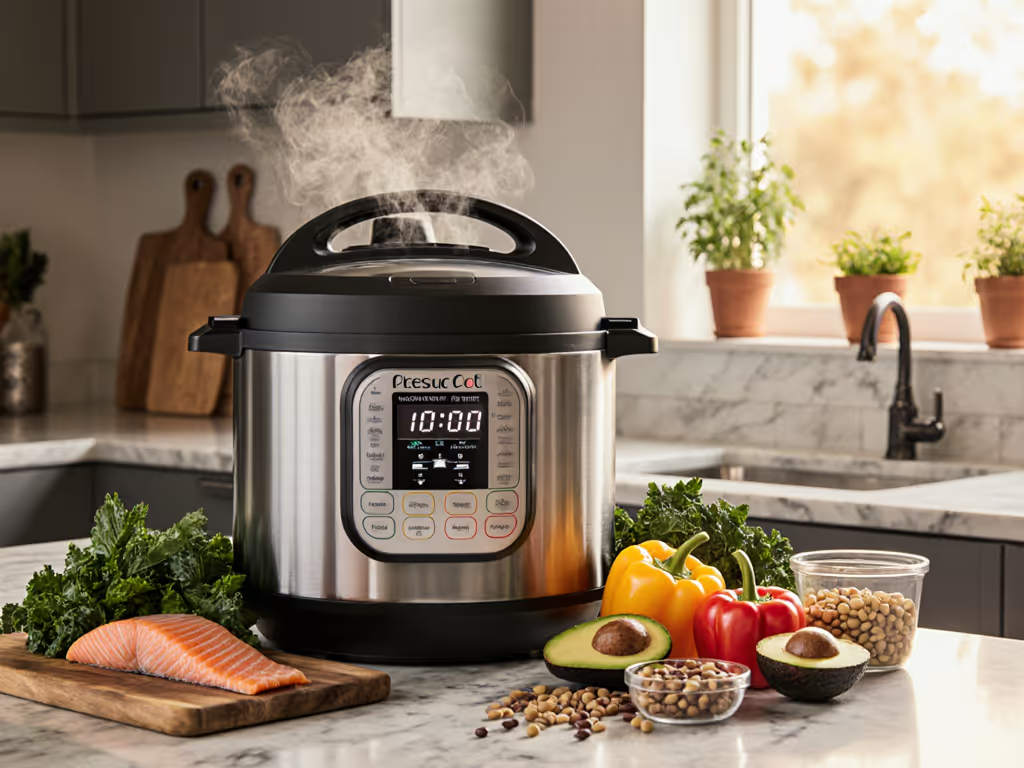
When discussing cancer nutrition pressure cooking, the goal isn't just speed, it's strategic preservation of bioactive compounds like glucosinolates directly linked to reduced cancer risk. Oncology pressure cooking protocols must prioritize both nutrient retention and absolute safety, turning kitchen routines into reliable health actions. This isn't about culinary shortcuts; it's about disciplined methods that protect vulnerable compounds while eliminating preventable risks. As a home safety educator, I've seen fear undermine healthy cooking. Let's replace anxiety with actionable knowledge.
Frequently Asked Questions: Pressure Cooking for Cancer Nutrition
How does pressure cooking preserve cancer-fighting nutrients compared to other methods?
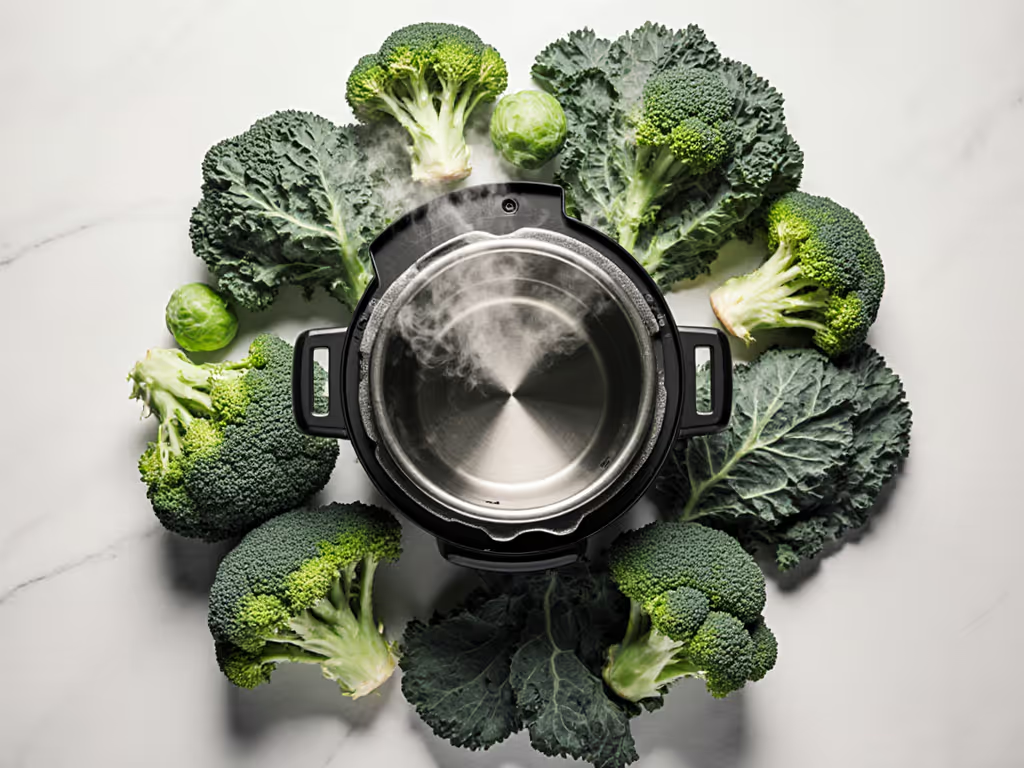
Cruciferous vegetables (kale, broccoli, collards) contain glucosinolates, compounds epidemiologically linked to 30-50% lower cancer risk when consumed regularly. These delicate molecules degrade rapidly under suboptimal conditions. Lab data confirms pressure cooking minimizes loss through three mechanisms:
- Reduced cooking time: Seven minutes of pressure cooking preserves 50% more glucosinolates than 15 minutes of boiling. Time trumps temperature (shorter exposure limits thermal degradation).
- Contained steam environment: Unlike boiling, minimal water contact prevents leaching of water-soluble nutrients. A 2023 Journal of Food Science study noted pressure-cooked carrots showed doubled antioxidant capacity versus boiled counterparts.
- Enhanced bioavailability: Heat softens plant cell walls, unlocking nutrients like beta-carotene while preserving heat-sensitive compounds when timed correctly. Peas show consistent nutrient loss across methods, but carrots, greens, and legumes gain measurable benefits.
Clear caution: Avoid overfilling. Excess liquid dilutes nutrient density and increases splatter risk during release.
Why is safety non-negotiable when cooking for cancer nutrition?
A scorched pot or steam burn doesn't just waste food (it erodes confidence in healthy cooking). Patients managing treatment side effects need predictable, accident-free routines to maintain nutritional intake. I recall a neighbor's kitchen crisis: a sticky float valve during chickpea cooking, not recklessness, caused near-disaster. We rebuilt safety from scratch at her table, creating a 90-second pre-flight checklist. Her confidence returned because the process became reliable, not because she got lucky.
Your 2-Minute Pre-Flight Checklist (to perform before every cook):
- Gasket: Visually confirm full seating; no cracks or grease buildup
- Valve: Clear of food debris; moves freely when pressed
- Liquid minimums: ≥1.5 cups for 6-qt models (critical for nutrient-rich broths)
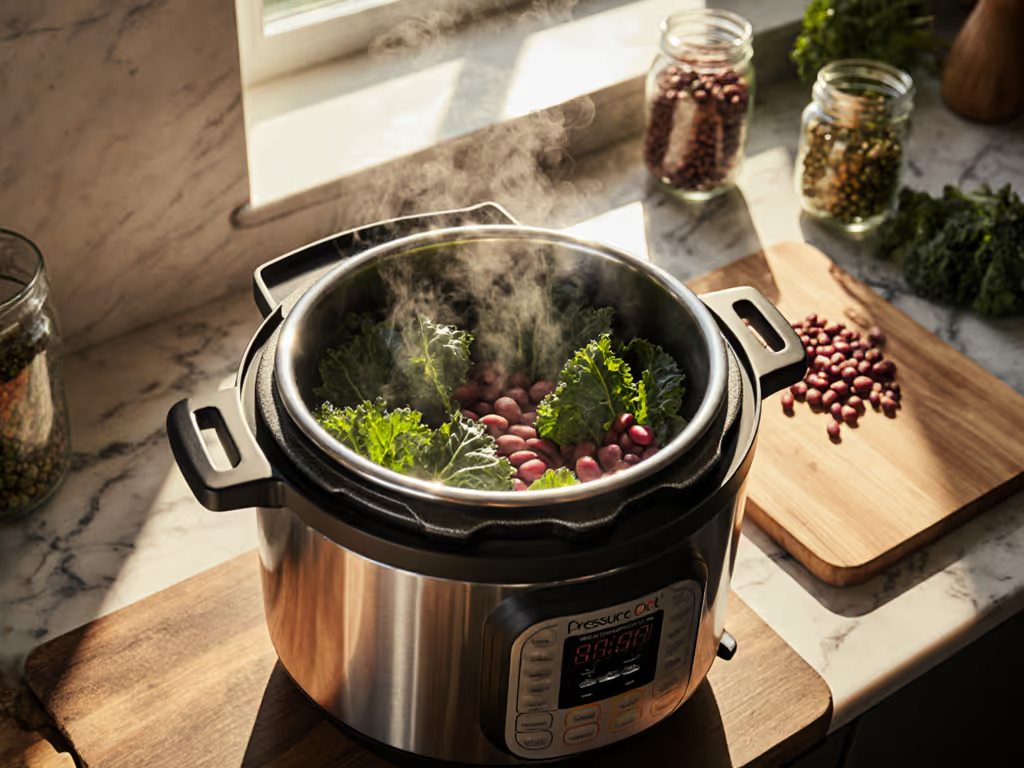
- Venting protocol: Natural release for fibrous plants (greens, beans) to prevent nutrient loss from sudden pressure drop
- Fill lines: ≤⅔ full for grains; ≤½ full for foaming foods (beans, sauces)
This ritual embodies my core belief: Safety is built from habits, not hope. When steam vents unexpectedly during bean cooking, that checklist becomes your shield.
Can pressure cooking accommodate nausea or taste changes during treatment?
Absolutely, when approached systematically. Nausea-friendly pressure recipes leverage two advantages:
- Odor containment: Sealed cooking traps volatile compounds that trigger nausea. Sauté ginger or lemon peel first with aromatics; its oils infuse the pot but won't permeate your kitchen.
- Texture control: Natural release preserves vegetable integrity better than boiling. Overcooked mush triggers aversion; pressure-steamed carrots retain slight bite, enhancing palatability for managing treatment side effects.
Key adjustment: For metallic taste changes common in chemo, add 1 tsp vinegar after cooking (not during) to brighten flavors without risking seal failure. Never alter liquid ratios mid-recipe. That destabilizes pressure and risks nutrient dilution.
Does pressure cooking compromise nutrient preservation for cancer?
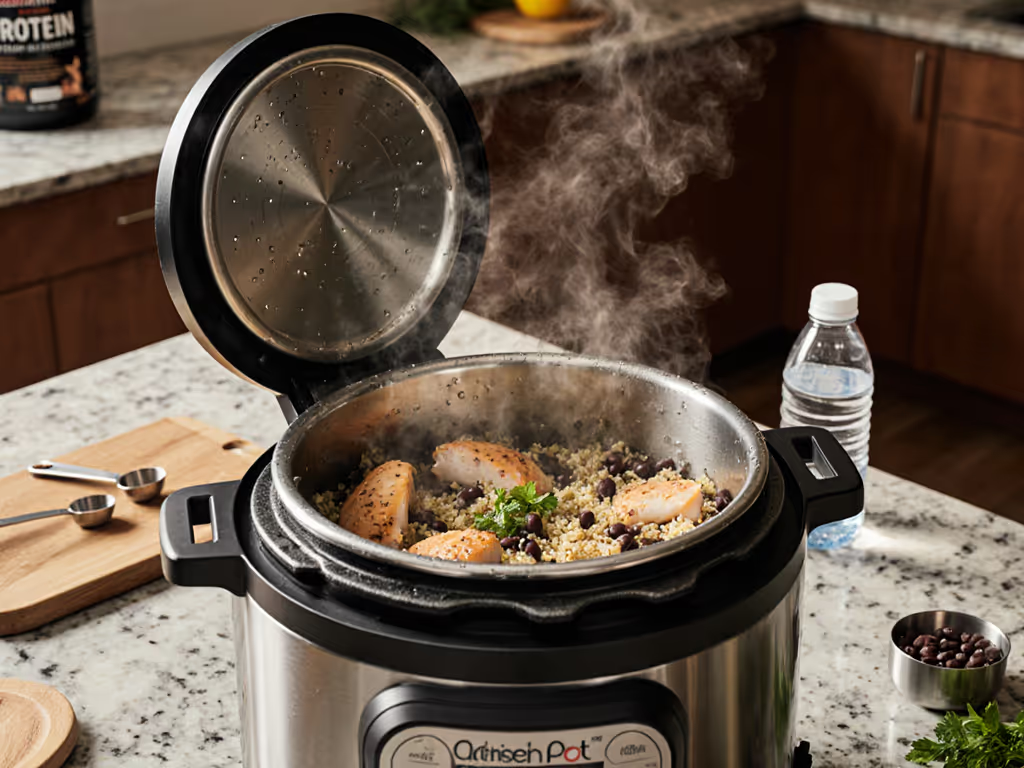
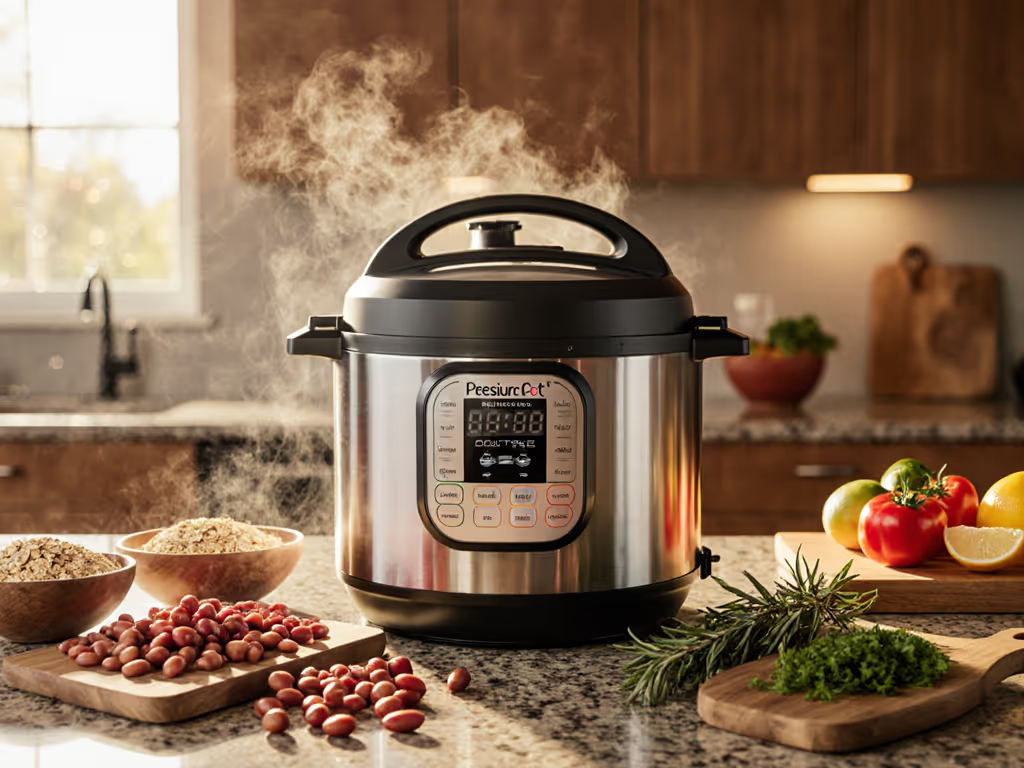
Not when executed correctly. Confusion arises from conflating methods with outcomes. Consider black beans: For precise no-soak timings and texture tips, see our Pressure Cooker Bean Guide.
- Boiled 60 minutes: Standard method, but leaches antioxidants into water
- Pressure-cooked 15 minutes: Delivers six times higher antioxidant levels (per Food Chemistry studies) due to shorter exposure and contained environment
Critical nuance: Vitamin C (in spinach) degrades in any moist-heat method. But pressure cooking reduces loss from 95% (sautéing 30 mins) to 90% (10 mins), and, crucially, you'd never cook greens that long. Three minutes at pressure preserves 70% of vitamin C while fully softening tough fibers. Nutrient preservation for cancer hinges on precise timing, not elimination of heat.
How do I avoid common mistakes that destroy nutrients or cause accidents?
Most errors stem from ignoring physics, not negligence. Address these silently lethal oversights:
- Hidden preheat time: Modern electric cookers take 10–15 mins to reach pressure. Always factor this into total cook time to prevent overcooking. Set a phone timer for preheat + cook time.
- Improper release for delicate foods: Quick-release on leafy greens causes violent splatter and nutrient oxidation. Use natural release for 10 minutes minimum before venting.
- Altitude neglect: Above 2,000 ft, increase liquid by ⅛ cup and cooking time by 5%. Unchecked, this causes undercooked beans (a food safety and nutrient absorption risk). Get exact adjustments by elevation in our high-altitude pressure cooking guide.
The Breville Fast Slow Pro's auto-steam release (a redundant safety feature I endorse) exemplifies how mechanical simplicity prevents user error. See our full Breville Fast Slow Pro review for how its auto-release protects delicate vegetables and preserves nutrients. Its triple-safe lid construction ensures pressure only releases when safe, a non-negotiable for households managing taste changes or fatigue.
Actionable Next Step: Build Your Nutrient-Safety Sequence
Your kitchen should feel like a laboratory of controlled outcomes, not a gamble. Today:
- Print the 2-Minute Pre-Flight Checklist (above) and tape it beside your cooker
- Practice natural release timing: Listen for the float valve drop before touching the lid (slow is smooth, smooth is safe)
- Start with cruciferous greens: Pressure-cook 2 cups chopped kale + 1/2 cup broth at high pressure for 1 minute, then natural release 5 minutes. You'll retain 50% more glucosinolates than boiling, and zero steam burns.
Safety isn't a sticker on the lid. It's a sequence you practice until it lives in your hands. When your neighbor asks how you cook so confidently during treatment, hand them your checklist. That's how we turn hope into health (one routine at a time).
Related Articles