Induction Pressure Cookers: Magnetic Base Safety Guide
By Samira Haddad • 20th Nov
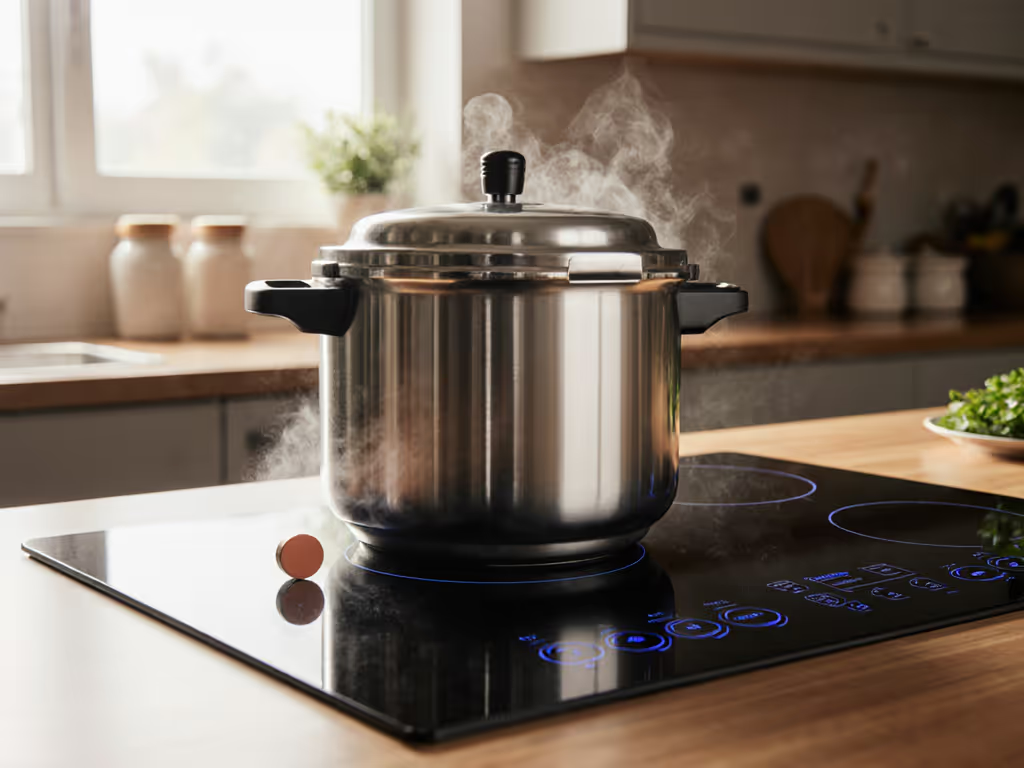
When using induction pressure cookers, ensuring your cookware has a compatible magnetic base is not merely convenient, it is a fundamental safety requirement. Induction-compatible cookware forms the critical link between the electromagnetic field and controlled pressure cooking, creating a system where improper equipment can compromise both performance and safety. As a home safety educator who's spent years translating risk into routine, I've seen how confusion about compatibility leads to preventable kitchen incidents (none from blatant recklessness, but from small oversights that accumulate until safety systems fail).
Understanding the Magnetic Base Imperative
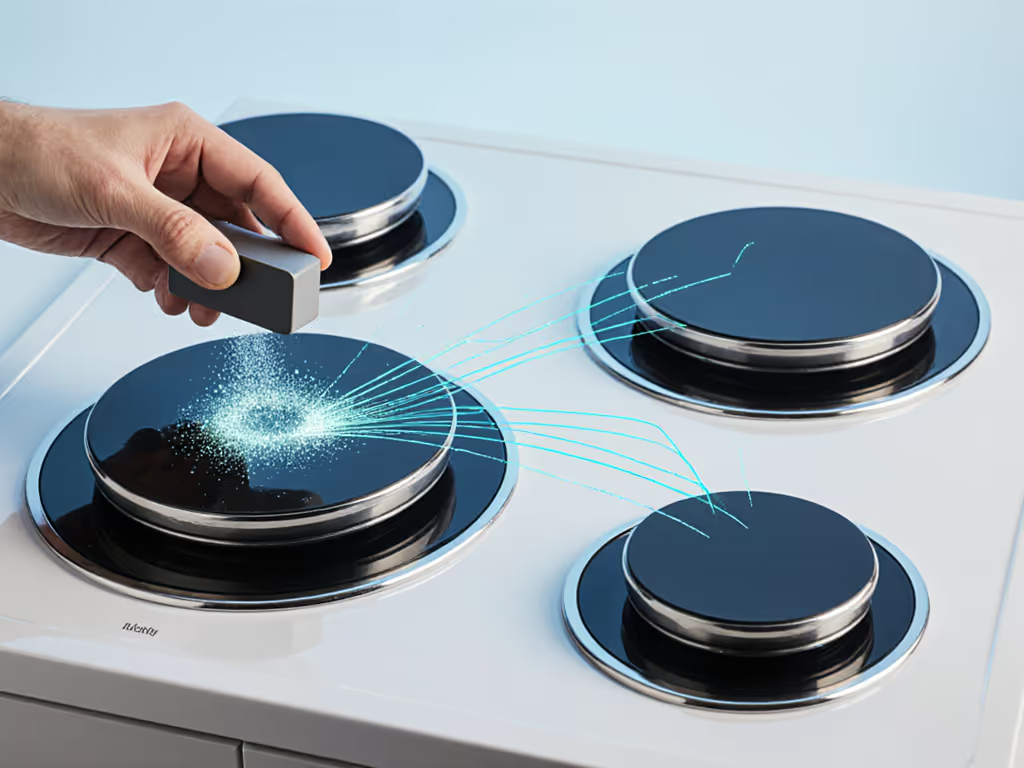
Induction cooking works through electromagnetic fields that generate heat directly in ferromagnetic cookware. Unlike traditional stovetops that heat the surface, induction appliances require a specific interaction between the cooktop and cookware. This makes the magnetic base non-negotiable for pressure cooking on induction systems. If you're new to pressure cooking, start with our safe first-time use guide to understand core safety principles.
Safety is a sequence you practice, not a warning sticker.
Not all pressure cookers work with induction. The cookware must contain sufficient ferrous material to interact with the electromagnetic field. This is why aluminum or copper-based pressure cookers won't function on an induction cooking appliance without special magnetic bases. The most reliable verification method is the magnet test: firmly press a refrigerator magnet against the cookware's base. If it sticks securely, you've confirmed the essential magnetic properties for safe operation. For a deeper look at which metals work on induction and why, see our stainless steel vs aluminum comparison.
The Essential Pre-Use Checklist for Induction Pressure Cooking
Step 1: Verify Magnetic Compatibility
Before using any pressure cooker on an induction surface, perform this verification:
- Place a standard refrigerator magnet on the cookware base
- Ensure strong adhesion across the entire base surface
- Verify the cookware bears manufacturer markings indicating induction compatibility
This simple test, which takes less than 15 seconds, prevents the most common compatibility issues that lead to inconsistent heating and potential safety hazards. Many consumers discover their existing stainless steel pressure cookers work with induction, but don't assume. All stainless steel isn't created equal for induction performance.
Step 2: Conduct a Comprehensive Pre-Flight Inspection
Before each use, implement this two-minute inspection routine:
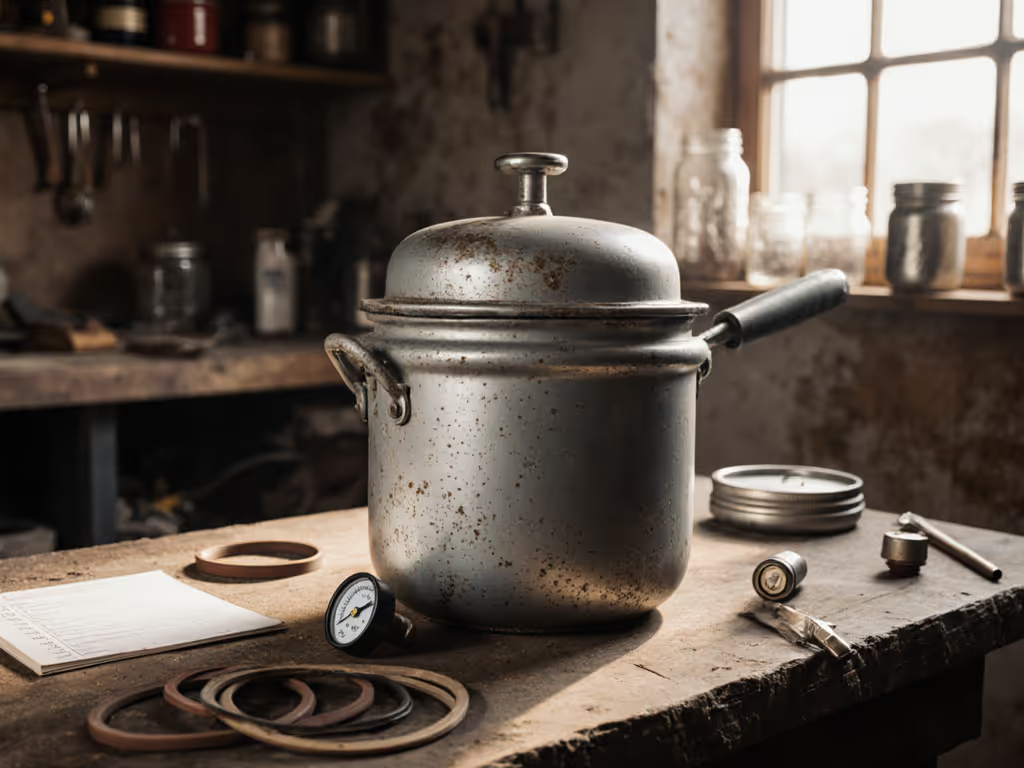
- Examine the sealing gasket: Check for flexibility, cracks, or food residue that could compromise the seal
- Inspect the magnetic base: Ensure the bottom surface is flat with no dents or warping
- Verify valve functionality: Confirm the float valve moves freely without obstruction
- Check for damage: Inspect the entire vessel for cracks, particularly near the base seam
Just as a neighbor learned after scorched chickpeas from a sticky float valve, these small checks prevent major incidents. Confidence lives in routines, not in luck. To prevent issues before they happen, follow our pressure cooker maintenance checklist.
Step 3: Establish Proper Loading Protocols
Induction's rapid heating requires specific loading practices:
- Never heat an empty pressure cooker (this can damage both the appliance and cookware)
- Maintain minimum liquid levels (typically 1 cup for most 6-quart models)
- Respect fill lines (never exceed ⅔ full for most foods, ½ full for foaming foods)
- Avoid overlapping foods (prevents uneven cooking and potential blockages)
The instant heating of induction means pressure builds faster than traditional methods, requiring stricter adherence to loading guidelines to prevent blockages that could compromise safety systems.
Step 4: Implement Controlled Heat Management
Induction appliances deliver energy more efficiently than traditional stovetops, requiring modified heat management:
- Always start on medium heat to build pressure gradually
- Never use the highest setting to reach pressure
- Monitor the float valve's position as your primary pressure indicator
- Reduce to the lowest effective setting once pressure is established
Unlike gas stovetops where you can visually gauge heat, induction's invisible energy transfer demands greater attention to secondary indicators like steam release patterns and float valve position. If steam patterns seem off or pressure won't build, use our steam leak troubleshooting guide to diagnose the cause.
Step 5: Practice Safe Release Techniques
The speed of induction heating affects release protocols:
- Always allow natural release for foods prone to foaming (beans, grains, dairy)
- Use quick release only when recipes specifically call for it
- Keep hands and face clear during any release method
- Never force the lid open before pressure has fully released
Induction's rapid temperature changes can affect liquid behavior during release, increasing the risk of sputtering or sudden steam bursts if protocols aren't followed precisely. Get precise guidance on natural vs quick release so you choose the safest method for each food.
Addressing Common Safety Concerns with Induction Pressure Cooking
One frequent concern involves electrical sensations when touching pressure cookers on induction surfaces. This typically indicates inadequate grounding in the induction appliance rather than an issue with the cookware. Properly installed induction cooktops should not transmit noticeable current to cookware. If you experience electrical sensations, stop using the appliance immediately and consult a qualified technician.
Another concern involves compatibility with cookware marketed for induction that might not explicitly state pressure cooking suitability. Not all induction-compatible cookware is designed to withstand pressure cooking conditions. Look for dual certification (both induction compatibility and pressure cooking suitability) to ensure safety across both requirements.
Building Your Safety Sequence
Safety is built from habits, not hope. The most reliable pressure cooking outcomes come not from occasional vigilance but from consistent routines. Develop a habit of pause, check, proceed before each use:
- Pause before placing the cooker on the induction surface
- Check your pre-flight checklist items
- Proceed only when all safety criteria are confirmed
This simple sequence creates the mental framework that transforms anxiety into confidence. When pressure cooking becomes systematized through routine rather than luck, kitchen accidents become the exception rather than the possibility.
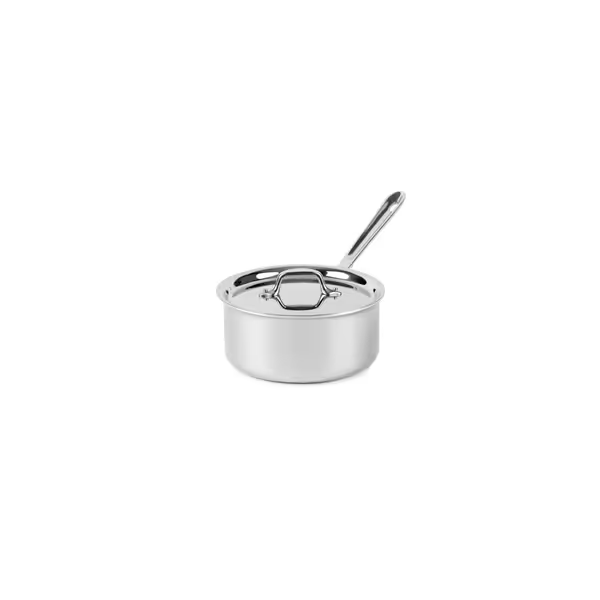
All-Clad D3 3-Ply Stainless Steel Sauce Pan
Your lifetime culinary partner for perfect sauces and even heating.
$149.95
Oven & Broiler SafeUp to 600°F
Oven & Broiler SafeUp to 600°F
Pros
Superior 3-ply construction for even, fast heating.
Durable, professional-grade, built to last generations.
Compatible with all stovetops, including induction.
Cons
Handwashing recommended for best care.
Customers find this sauce pan to be of high quality and consider it a lifetime investment. The pot heats up evenly and quickly, with one customer noting its aluminum core for more even heat distribution. They appreciate its size, particularly for boiling 1-6 eggs, and find it easy to clean, with one mentioning it works well in the dishwasher. They like its appearance and cooking capabilities, particularly for making soups and sauces.
Customers find this sauce pan to be of high quality and consider it a lifetime investment. The pot heats up evenly and quickly, with one customer noting its aluminum core for more even heat distribution. They appreciate its size, particularly for boiling 1-6 eggs, and find it easy to clean, with one mentioning it works well in the dishwasher. They like its appearance and cooking capabilities, particularly for making soups and sauces.
Take Your First Actionable Step Today
Today, implement a single safety habit that addresses your most pressing concern. If you're unsure about your pressure cooker's compatibility, conduct the magnet test immediately. If you already know your cookware is compatible, establish a visible reminder near your induction cooktop to perform the pre-flight inspection before each use.
Document this routine in a place you'll see it daily (your refrigerator, a kitchen cabinet, or even taped to your pressure cooker's storage box). When safety becomes a sequence you practice rather than a warning you ignore, confidence becomes your default setting. Start small, stay consistent, and know that each careful step builds toward genuinely safe pressure cooking experiences.
Related Articles